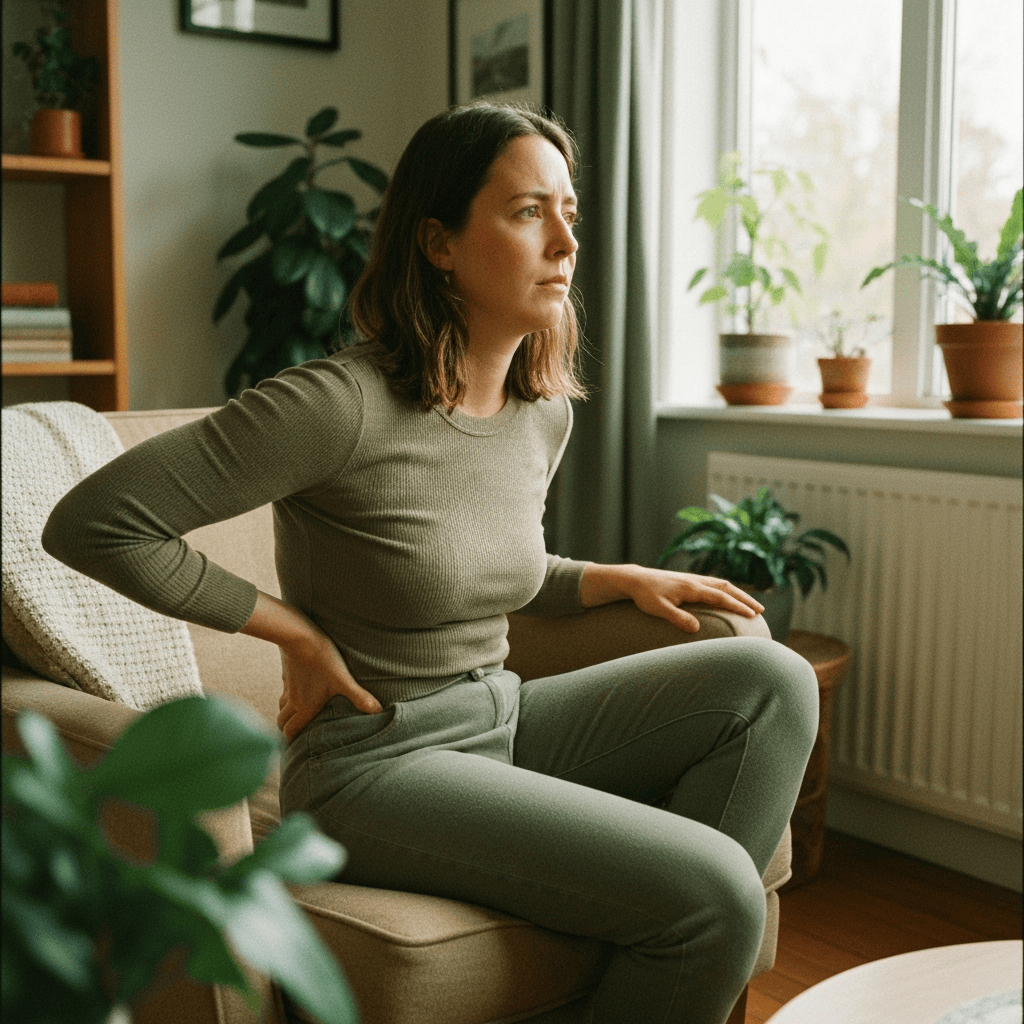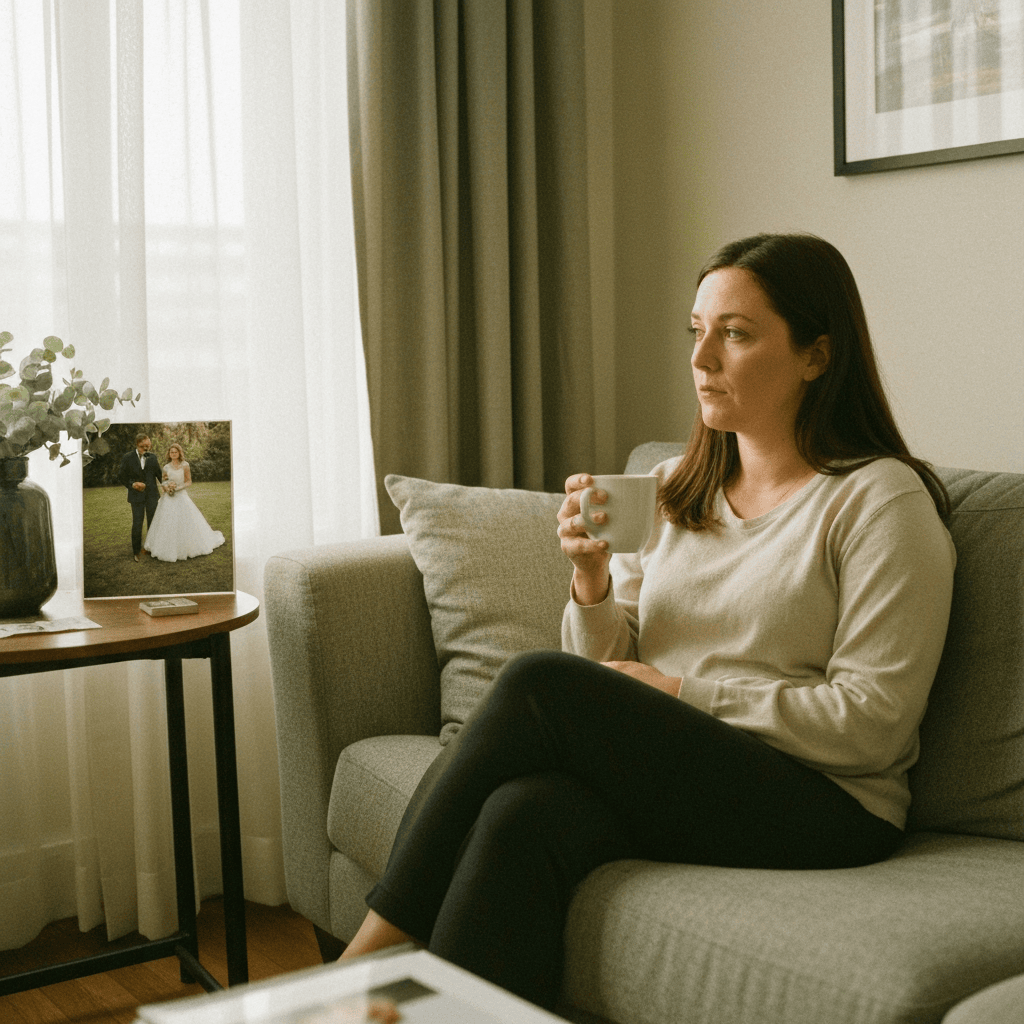
You never expected to feel this way. The wedding was everything you'd hoped for. The photos are stunning. Everyone said it was beautiful. You're officially married to the person you love.
So why do you feel so... off?
Maybe it's an inexplicable sadness. Or irritability you can't explain. Or feeling strangely disconnected from your partner, the same person you just committed your life to. Or maybe you're just exhausted in a way that sleep doesn't fix.
You might think something's wrong with you. Or wrong with the relationship. Or that this feeling means you made a mistake.
Here's the thing: what you're experiencing has a name. It's called post-wedding blues. And it's far more common than anyone admits.
The Crash After the Climb
Think about what your nervous system has been through. Months (maybe over a year) of planning, stress, anticipation, and pressure. Every decision magnified. Every detail scrutinized. A constant low-level hum of "is this right? is this enough? will it be perfect?"
Then the day itself: an intense surge of emotion, attention, stimulation. All eyes on you. Sensory overload. Joy, yes. But also exhaustion, stress hormones, disrupted sleep, alcohol, travel.
Your body has been running on adrenaline and cortisol for months. And now, suddenly, it's over. The goal you've been sprinting toward has been achieved. There's nothing left to plan.
What goes up must come down. And your nervous system is crashing.
The crash isn't instant, either. It might hit you the day after the honeymoon ends. Or creep in slowly over the first few weeks. Some people feel it right away. Others don't notice until they're three weeks into married life, wondering why they can't seem to feel happy about something they wanted so badly.
The Biology of Post-Wedding Blues
This isn't just psychological. It's physiological. When you've been in an extended stress state (even positive stress), your body adapts. Stress hormones become your normal. Heightened alertness becomes baseline.
When the stressor removes, your body has to readjust. That readjustment can feel like:
- Depression or inexplicable sadness
- Irritability and short temper
- Feeling let down or empty
- Fatigue that sleep doesn't fix
- Anxiety about "what now?"
- Feeling distant from your partner
- Wondering if you made the right choice
None of these mean anything is wrong with you or your marriage. They're symptoms of a nervous system in recovery. And here's what most people miss: you can't just think your way through this. Your body went through the stress, and your body needs time to process it.
Your adrenal glands have been working overtime. They've been pumping out cortisol to keep you going through vendor meetings, family negotiations, dress fittings, and all the logistics that go into planning a modern wedding. Now they're depleted. And depleted adrenals don't just bounce back because you had a lovely ceremony.
The Identity Shift Nobody Mentions
There's something else happening too. You've crossed a threshold. You're no longer "engaged." That identity is gone. You're now "married," and even if you've been with your partner for years, this is a new identity to grow into.
Identity transitions are disorienting. Even good ones. Even ones you chose. Your brain has to update its self-concept, and that takes time and energy.
Add to this any changes in name, family dynamics, expectations from others. You're navigating a lot of subtle shifts that your conscious mind might not even register, but your nervous system feels them all.
Think about what's actually changed. Your legal status. Possibly your name. The way society views your relationship. The expectations others have of you. The way you introduce yourself. The way you think about your future. These aren't small things. They're fundamental shifts in how you exist in the world.
And underneath all of that, there's often a deeper question lurking: "Now what?" The wedding was a clear goal with a clear endpoint. Marriage is open-ended. That lack of structure can feel disorienting after months of having every weekend booked with wedding tasks.
Why Nobody Talks About This
Post-wedding blues are taboo. You're supposed to be in newlywed bliss, not crying in the bathroom wondering why you feel so empty. Admitting to feeling bad after the "happiest day of your life" feels ungrateful, shameful, wrong.
So people don't talk about it. They hide it. They worry alone. They wonder if something is uniquely wrong with them.
It's not just you. Studies suggest up to 50% of newlyweds experience some form of post-wedding blues. You're in very common company. It's just company that stays quiet.
Social media makes this worse. You see other newlyweds posting about their perfect honeymoons and blissful early married days. What you don't see is the crying in the shower. The fights about nothing. The strange emotional distance that creeps in. Nobody posts about that.
The cultural narrative around weddings is so focused on the day itself that we have no script for what comes after. There's endless content about choosing centerpieces and writing vows. Almost nothing about the emotional adjustment that follows.
The Partner Factor
Here's something else that can compound the blues: you and your partner might be processing the wedding differently. One of you might be ready to jump back into normal life while the other is still emotionally recovering. One might want to talk about the wedding constantly while the other is sick of discussing it.
This mismatch is normal. But it can feel like evidence that something's wrong. "Why aren't we on the same page? We just promised to spend our lives together."
The truth is, you're both individuals who experienced the same event differently. Your nervous systems aren't synchronized just because you exchanged rings. Give yourselves space to process at your own pace.
Sometimes the distance you feel from your partner isn't about the relationship at all. It's about the fact that you're both depleted and don't have much to give. Two people running on empty can't fill each other's cups.
Check In Right Now
If you're in the aftermath of a wedding (yours or someone else's), take a moment to notice what's happening in your body.
Are you holding tension anywhere? Is your chest tight? Your jaw clenched? Your shoulders raised?
Put one hand on your chest and one on your belly. Take three slow breaths. You don't have to feel anything specific. Just acknowledge where you are: in a body that's been through something, trying to find its new normal.
Notice if you're rushing through this moment. If you're already thinking about the next thing you need to do. That urgency is part of the pattern your nervous system learned during wedding planning. It might take active intention to slow down.
What Actually Helps
First: normalize what's happening. This is a common, predictable response to an intense life event. It doesn't mean something is wrong with you or your relationship.
Then:
Rest more than you think you need. Your body is recovering from extended stress. Treat it like you're recovering from something physical, because you are. This might mean saying no to social obligations for a few weeks. It might mean going to bed earlier than usual. It might mean taking a weekend to do absolutely nothing.
Lower expectations. You don't have to feel blissful. You don't have to have amazing newlywed adventures. It's okay to just... be. The pressure to feel a certain way is itself a source of stress. Let yourself feel whatever you actually feel.
Talk to your partner. They might be feeling it too. Opening up about the weird feelings can actually bring you closer. Try something like, "I've been feeling off since the wedding, and I think my body is just exhausted. Are you experiencing anything like that?" This opens the door without blame.
Give it time. This usually lifts within a few weeks to a couple months. It's temporary, even when it doesn't feel that way. Your nervous system is adaptable. It will find its new baseline.
Find a new focus, but gently. Something to look forward to that isn't pressure-filled. A trip, a project, a hobby. Something that reengages your forward momentum without recreating the stress cycle you just finished.
Move your body. Not intense exercise (unless that feels good), but gentle movement that helps your nervous system process what it's been through. Walks. Stretching. Dancing in your kitchen. Your body holds stress, and movement helps release it.
Limit wedding talk. At some point, constantly rehashing the wedding keeps you stuck in the past. It's okay to stop analyzing every detail and start focusing on the present.
Specific Situations That Make It Harder
If you had a difficult family situation at the wedding: Sometimes the blues are compounded by actual things that went wrong. A family member who caused drama. A speech that hurt you. Someone who should have been there but wasn't. These deserve acknowledgment, not just dismissal as part of "normal post-wedding blues."
If you're dealing with other transitions: Moving to a new home, starting a new job, or other major life changes right after the wedding multiply the adjustment stress. If you're also going through other major changes, like moving to a new home, the stress can compound. Be extra gentle with yourself.
If you had doubts before the wedding: Post-wedding blues can bring up pre-existing concerns with new intensity. If you're not sure whether what you're feeling is normal adjustment or something deeper, a few sessions with a couples therapist can help you sort through it.
When to Seek More Support
Post-wedding blues are common, but they're not unlimited. If you're still feeling significantly depressed or disconnected after several months, or if the feelings are intense and interfering with daily life, talk to someone. A therapist, a counselor, your doctor.
Some signs that you might benefit from professional support:
- You're having thoughts of harming yourself
- You can't function at work or in daily life
- You're using alcohol or other substances to cope
- You're having serious doubts about the marriage that don't ease with time
- The depression feels severe, not just "off"
Sometimes big life transitions can trigger deeper issues that benefit from professional support. There's no shame in getting help. It's actually a sign of self-awareness.
FAQ: First Month of Marriage Stress
Is it normal to feel sad after getting married? Yes. Studies suggest up to half of newlyweds experience some form of post-wedding blues. Your nervous system has been running on high alert for months, and the sudden absence of that stimulation can feel like depression.
How long do post-wedding blues last? For most people, a few weeks to a couple of months. If feelings persist beyond that or significantly interfere with daily life, it's worth talking to a professional.
Why do I feel distant from my partner after the wedding? This is extremely common. You're both depleted from the stress of planning and executing the wedding. Two exhausted people don't have much energy to connect. This usually improves as you both recover.
Does feeling bad mean I married the wrong person? Not necessarily. Post-wedding blues can make you question everything, but those doubts are often a symptom of nervous system dysregulation, not evidence of a mistake. Give yourself time to settle before drawing conclusions.
How can I support my partner who has post-wedding blues? Don't try to fix it or convince them they should feel happy. Just be present. Lower expectations for both of you. Acknowledge that this transition is harder than expected. Be patient.
The Marriage Beyond the Wedding
The wedding was one day. The marriage is the rest of your life. And it's normal for the transition from one to the other to feel bumpy.
The feelings you're having right now (the strange emptiness, the unexpected distance, the "is this it?" sensation) aren't signs of a bad marriage. They're signs of a nervous system recalibrating after a major event.
Give yourself grace. Give yourself time. The bliss everyone talks about? It's real. It just might not show up exactly when you expected.
Your body learned to hold all that wedding stress. The good news? It can also learn to let it go. The nervous system that's causing you distress right now is the same nervous system that will help you feel joy, connection, and peace as it settles into its new normal.
Want to understand how stress might be showing up in your body? We've created a quick assessment that helps you identify your patterns, because knowing where you hold tension is the first step to releasing it.
Last updated: February 2, 2026